
When sourcing sunflower oil for bulk distribution, food manufacturing, or commercial food service, the grade you choose directly impacts product quality, shelf life, and operational costs. At Tacor Trading, we supply both refined sunflower oil and high-oleic varieties from Thailand to international buyers worldwide. Understanding the distinction between these two grades is essential for making informed purchasing decisions.
This guide breaks down the key differences between high-oleic sunflower oil and regular sunflower oil, covering fatty acid composition, performance characteristics, and practical applications for commercial buyers.
High-Oleic Sunflower Oil vs Regular Sunflower Oil
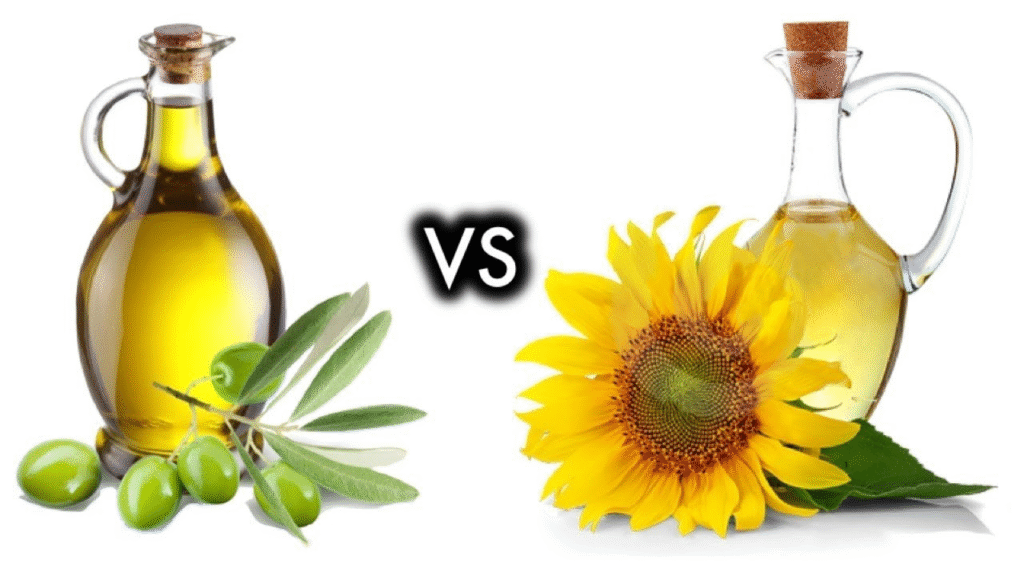
What Is Regular Sunflower Oil?
Regular sunflower oil—sometimes called linoleic sunflower oil or standard sunflower oil—is the most widely available and cost-effective grade. It is extracted from conventional sunflower seeds and typically contains:
- Oleic acid (monounsaturated fat): 14–39%
- Linoleic acid (polyunsaturated fat): 48–74%
The high linoleic acid content makes regular sunflower oil rich in omega-6 fatty acids, which are essential but also more susceptible to oxidation when exposed to heat, light, or prolonged storage .
Regular sunflower oil has a light taste, neutral aroma, and a smoke point of approximately 225–230°C (437–446°F). It is widely used in general cooking, salad dressings, and cost-sensitive food applications.
What Is High-Oleic Sunflower Oil?
High-oleic sunflower oil comes from sunflower varieties that have been conventionally bred—not genetically modified—to produce seeds with a much higher oleic acid content. To qualify as “high-oleic,” the oil must contain a minimum of 70% oleic acid, though most commercial high-oleic sunflower oils contain 75–85% .
This elevated oleic acid content fundamentally changes the oil’s chemical behavior. Oleic acid is a monounsaturated fat with only one double bond in its molecular structure, making it far more resistant to oxidation than linoleic acid, which has two double bonds .
Fatty Acid Profile Comparison:
| Grade | Oleic Acid | Linoleic Acid |
|---|---|---|
| Regular (Standard) | 14–39% | 48–74% |
| High-Oleic | 75–85%+ | <10% |
Key Differences That Matter for Commercial Buyers
1. Oxidative Stability and Shelf Life
The most significant practical difference is oxidative stability. Regular sunflower oil’s high linoleic acid content makes it prone to oxidation, which leads to rancidity, off-flavors, and reduced shelf life. High-oleic sunflower oil resists oxidation far better—research shows its oxidative stability can be 3–5 times higher than standard sunflower oil .
For food manufacturers, this translates directly to longer product shelf life and better flavor retention over time.
2. Frying Performance and Oil Life
In commercial frying operations, high-oleic sunflower oil significantly outperforms regular sunflower oil:
| Metric | Regular Sunflower Oil | High-Oleic Sunflower Oil |
|---|---|---|
| Frying hours before replacement | 8–12 hours | 20–30 hours |
| Smoke point | ~225°C | 230–240°C |
| Oxidative stability | Low | High (3–5x standard) |
A restaurant or food processing facility using high-oleic oil can operate 2–3 times longer between oil changes, reducing oil consumption and waste. A hotel restaurant in Vienna that switched from standard refined to high-oleic sunflower oil reported their fryer oil lasted from two full service days to five to six days at the same frying volume .
3. Health and Nutritional Profile
High-oleic sunflower oil offers a more favorable fatty acid profile from a cardiovascular standpoint. Its high monounsaturated fat content (similar to olive oil) can help lower LDL (“bad”) cholesterol while maintaining HDL (“good”) cholesterol levels .
Additionally, high-oleic sunflower oil is naturally trans-fat-free, making it an excellent replacement for partially hydrogenated oils (PHOs), which have been restricted or banned in many markets including the EU and US .
4. Cost Considerations
High-oleic sunflower oil typically carries a 10–20% price premium over regular sunflower oil . However, for high-volume frying operations, this premium is often offset—or exceeded—by reduced oil consumption and longer fryer life.
For applications with low frying volume or where shelf stability is not critical, regular sunflower oil may remain the more economical choice.
When to Choose High-Oleic Sunflower Oil
High-oleic sunflower oil is the preferred grade for:
- Industrial frying – Snacks, French fries, nuggets, and other high-volume fried products
- Extended shelf-life products – Baked goods, crackers, cereals, and products requiring long stability
- PHO replacement – As a trans-fat-free alternative to partially hydrogenated oils
- Premium food service – Restaurants and catering operations seeking consistent frying quality
- Clean-label formulations – Where a simple “sunflower oil” ingredient declaration is preferred
When Regular Sunflower Oil Is Suitable
Regular sunflower oil remains appropriate for:
- Cost-sensitive applications – Where price is the primary procurement driver
- Low-heat cooking – Salad dressings, light sautéing, and general cooking
- Short shelf-life products – Items consumed quickly where extended stability is unnecessary
- Low-volume operations – Smaller kitchens where oil is used within a short timeframe
Sourcing Sunflower Oil from Thailand
At Tacor Trading, we supply both refined sunflower oil and high-oleic varieties in bulk quantities to international wholesalers, distributors, and food manufacturers. Our export capabilities include:
- Flexible packaging options – Bottles, jerry cans, drums, containers, and customized packaging
- Competitive wholesale pricing – Direct sourcing from trusted Thai producers
- Full export documentation – Certificates, specifications, and shipping coordination
- Consistent supply – Reliable availability for long-term partnerships
Whether you need standard refined sunflower oil for cost-sensitive applications or high-oleic oil for premium frying performance, our team can prepare a competitive quotation based on your required quantity, packaging, and destination.
High-Oleic Sunflower Oil vs Regular Sunflower Oil
Frequently Asked Questions
Is high-oleic sunflower oil genetically modified?
No. High-oleic sunflower varieties are developed through conventional breeding techniques, not genetic modification. They are non-GMO .
Does high-oleic sunflower oil taste different from regular sunflower oil?
No. Both grades have a neutral taste and light aroma. The difference is in fatty acid composition and performance, not flavor.
Can I use high-oleic sunflower oil for the same applications as regular sunflower oil?
Yes. High-oleic sunflower oil is a direct replacement for regular sunflower oil in virtually all applications, with superior performance in high-heat and extended-shelf-life uses.
What is the price difference between the two grades?
High-oleic typically costs 10–20% more per ton than regular sunflower oil. Contact us for current pricing based on your volume and destination.
Is mid-oleic sunflower oil available?
Yes. Mid-oleic (also called NuSun) varieties contain 55–75% oleic acid and offer a middle ground between standard and high-oleic grades. Availability may be more limited than either standard or high-oleic. Contact us for current supply options.
Partner with Tacor Trading for Your Sunflower Oil Requirements
Whether you are sourcing regular refined sunflower oil or high-oleic varieties for your food manufacturing, distribution, or food service operations, Tacor Trading provides reliable supply from Thailand with professional export support.
Contact our team with your required quantity, packaging preference, and destination country. We will provide product specifications, competitive pricing, and shipping information.
Tacor Trading – Your trusted sunflower oil supplier and exporter from Thailand.